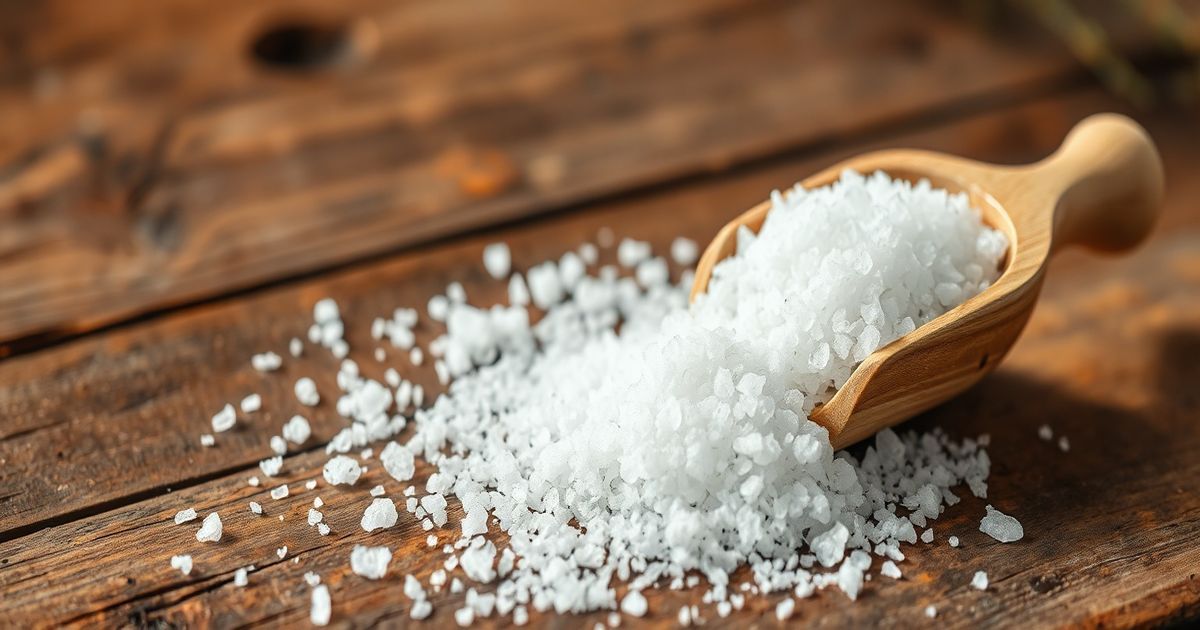
Food Salt Wholesale: Quality Requirements, Certificates, and How to Avoid Mistakes
Who this article is for
If you're purchasing salt for a bakery, meat processing plant, cannery, restaurant, or packaging line — you need to know food salt requirements. Not because it's fascinating, but because a mistake can cost you a fine during inspection or a returned product batch.
Food salt classification
According to Ukrainian standard DSTU 3583:2015, food salt is classified by production method (rock, evaporated/extra, sea) and by grind size (extra through grind #3).
| Grind | Crystal size | Usage |
|---|---|---|
| Extra | up to 0.8mm | Table salt, packaging, confectionery |
| Grind #0 | 0.8-1.2mm | Bakeries |
| Grind #1 | 1.2-2.5mm | Meat processing, canning |
| Grind #2-3 | 2.5mm+ | Industrial salting |
Required documentation
Your supplier must provide: declaration of conformity, quality passport per batch (NaCl content, moisture, grind, iodine status), FSSC 22000 or ISO 22000 certificate, VAT invoice.
No quality passport? Don't buy. We've seen technical salt resold as "food extra." The manufacturer's sealed passport is the only verification.
What to look for in a supplier
- Direct contract with manufacturer
- Supply stability (winter shortages are common)
- Proper storage conditions (dry, on pallets, separate from chemicals)
- Willingness to let you inspect the warehouse
Need food salt wholesale? We work directly with manufacturers and provide full documentation with VAT.